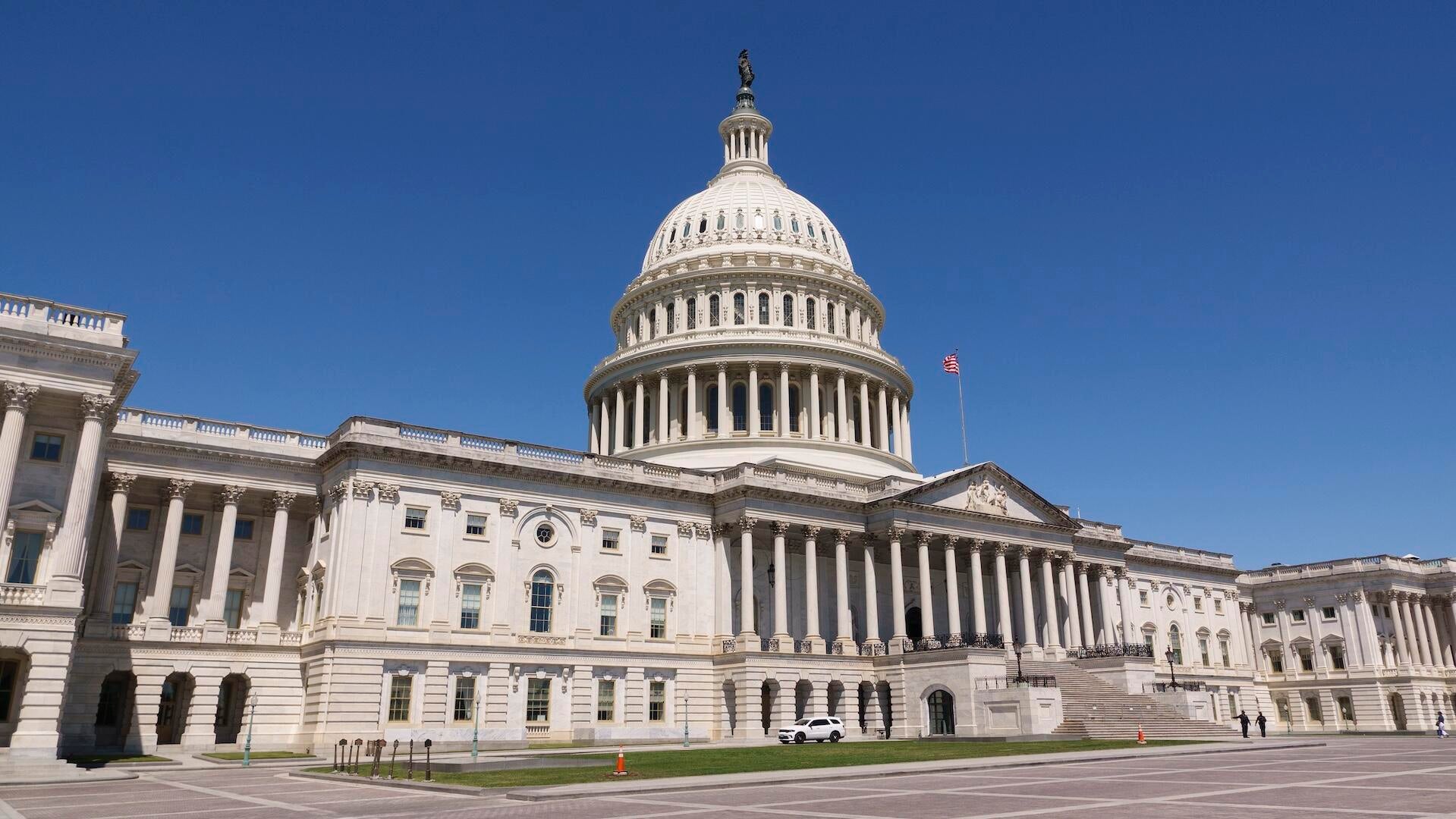
For more than a decade, the most powerful people in college sports kept making the same trip to Capitol Hill, where they testified, lobbied and poured millions of dollars in an effort to secure antitrust protections and national regulation. Late Monday night, they ultimately secured the first historic vote they sought. Senate passed the Protect College Sports Act by a 77-22 vote following nearly six hours of debate and consideration of seven amendments on the floor.
It's the first time either chamber of Congress has approved sweeping federal legislation to govern college athletics. The bipartisan bill, written by Sens. Ted Cruz (R-Texas) and Maria Cantwell (D-Wash.), would write the NCAA's rules into federal law, give the industry a limited antitrust exemption to enforce rules on transfers and eligibility, and codify the House v.
NCAA settlement that turned schools into direct payers to their athletes. "This bill puts an end to the chaos plaguing college athletics," Cruz said Monday on the Senate floor. "It protects NIL opportunities because student-athletes deserve the opportunity to benefit from their talent without being taken advantage of by unscrupulous agents and backdoor deals.
It creates clear, enforceable rules for eligibility and transfers. It protects our traditions and rivalries. It prevents the most powerful and wealthy conferences from breaking away to form a super league.
But most importantly, it protects our student-athletes." The NCAA and its most powerful conferences have chased this moment since before athletes could legally earn money for playing college sports. They have never been closer to the finish line, but they're not there yet. The bill now heads to the House of Representatives, where it is unlikely to reach the floor before the Nov. 3 midterm elections, sources in Washington, D.C., told CBS Sports this week.
The House is not scheduled to return to work until Nov. 9, raising concerns about whether a college sports bill would even be considered during a lame-duck session. Speaker Mike Johnson said he expects the bill won't be considered until then. President Trump has pressed House leaders to return in October, and he may do so again after the Senate passed the bill Monday.
Extract — continue reading at the source.