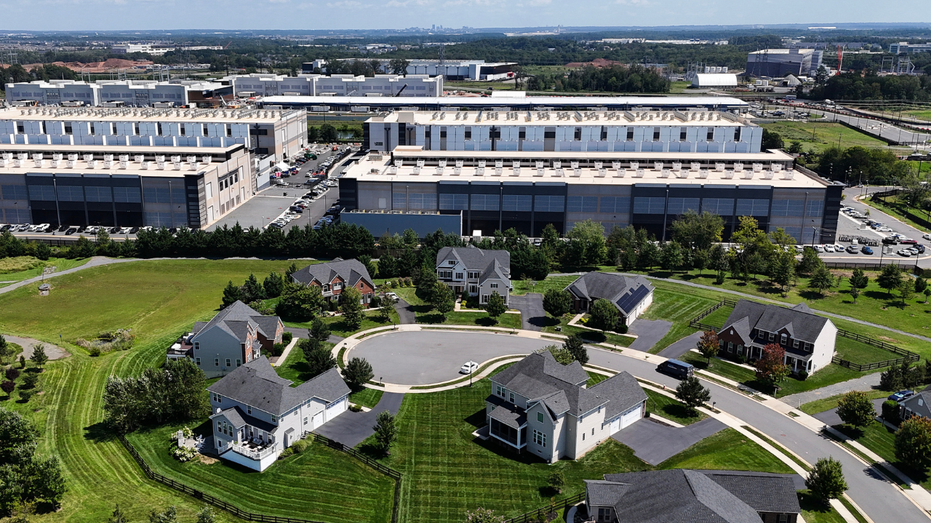
In the six years Jon Husted spent as Ohio’s lieutenant governor, he celebrated bringing data centers to the state as part of an economic development push that handed operators tens of millions in tax breaks. In 2025, the year Husted was tapped to fill JD Vance’s Senate seat when he became vice president, Ohio’s sales tax exemption for data centers cost the state almost $1.6 billion in foregone revenue. Two years ago, Husted’s record would have been regarded as a sterling Republican credential.
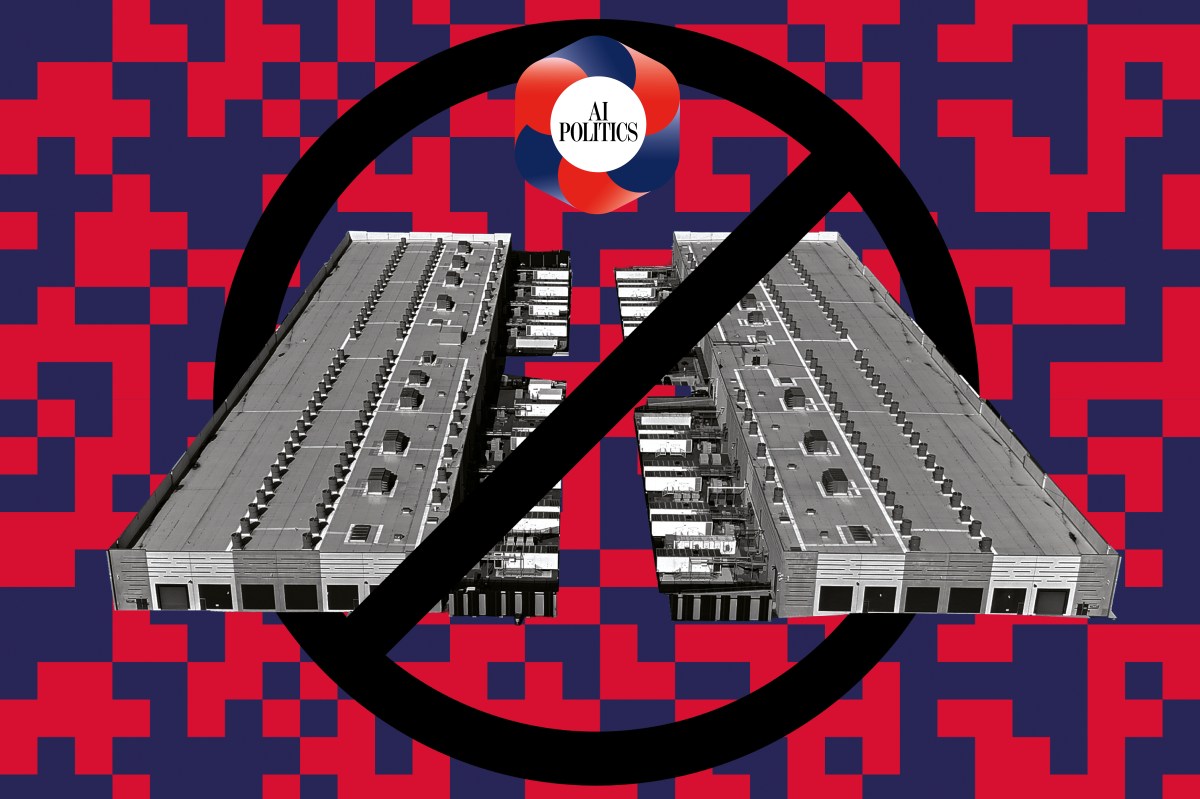
But heading into the midterms and fighting to keep his seat, Husted is finding that record is a political liability he is trying to legislate his way out of. His opponent, former Senator Sherrod Brown, has put the record Husted built at the forefront of his campaign. In Newsweek’s AI Policy Scorecard, Republicans in Congress average a 3.64 Lean Booster score on Data Centers while Democrats are Lean Skeptics at 1.97—the only topic of the five scored questions where party predicts a member’s stance, unlike the scores for Safety, Jobs & Economy and National Security, where the two parties are more closely clustered together.
Much of the reason for the split on data centers is that these scores record positions taken over the past two years, a period in which the politics of data centers has changed dramatically. When Donald Trump was inaugurated in January 2025, flanked by tech leaders like Elon Musk, Mark Zuckerberg, Sundar Pichai and Jeff Bezos, Republican support for tech company buildouts was a natural fit. Today, Trump remains one of the biggest public boosters for data centers, lending his dominance over the news cycle to their cause.
If they want to be successful and rich, with far lower taxes and jobs all over the place, let Data Reign,” Trump wrote on Truth Social in August. China could not be happier with this anti Data Center movement.” But public opinion has moved the other way. In opinion polls, local opposition to data centers is broad and rising.
A Gallup survey released in May found roughly seven in 10 Americans oppose the construction of an AI data center in their own community—more than oppose the idea of a nearby nuclear plant. An Annenberg Public Policy Center survey released in August put opposition to a local data center at 61 percent, 12 percentage points higher than earlier in the year, with majorities of Democrats, Republicans and independents against. It is one of the few AI questions where majorities of voters in both parties are firmly in agreement.
In the House, Republicans rallied around the Ratepayer Protection Act, which aims to prevent consumers and small businesses from footing the bill for electrical grid upgrades required by AI data centers. Democrats overwhelmingly joined them when the bill passed September 16 with a 417-3 vote. Before it becomes law, however, the bill must pass the Senate, where it is stalled.
Extract — continue reading at the source.