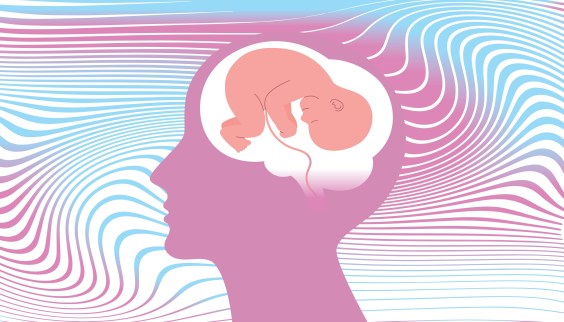
Whether you call it “pregnancy brain” or “momnesia” (please don’t call it “mommy brain”), many women report experiencing some form of absentmindedness during pregnancy. Even women who take oral contraceptives with high doses of estrogen have reported memory glitches. Now a new study published in Science Bulletin is examining the neurological underpinnings of the phenomenon.
To investigate “pregnancy brain,” a research team led by endocrinologists from Baylor College of Medicine relied on pregnant mice and mouse models with high levels of estrogen. In tests of their working memory, both the pregnant mice and those with artificially high estrogen levels demonstrated the same mild cognitive problems. Read more: “Pregnancy Changes Perception of Odors and Tastes” So the team decided to take a peek into the mice brains.
Within the lateral hypothalamus (a region that regulates a variety of functions, including motivated behaviors), there were brain cells that expressed estrogen receptor alpha, including specialized cells known as GABAergic neurons. These inhibitory brain cells send calming signals to the central nervous system, and high estrogen levels cause them to fire more frequently. They also project directly into the hippocampus, the brain’s memory hub, the researchers discovered.
But when these cells were stripped of their estrogen receptors, the memory problems stopped. Fascinatingly, by artificially activating the hypothalamus-hippocampus pathway they discovered they could recreate the memory glitches—even without the estrogen. To translate their findings to humans, the team tested women’s memories during different stages of pregnancy.
They found memory problems surfaced during the second and third trimester, when estrogen levels were rising. Subscribe to our free newsletter.
Extract — continue reading at the source.

/https://tf-cmsv2-smithsonianmag-media.s3.amazonaws.com/filer_public/0a/75/0a75c260-fa9a-425c-bf5e-b90eaf93c0f5/mouse-brain.png)
/https://tf-cmsv2-smithsonianmag-media.s3.amazonaws.com/filer_public/9a/c2/9ac2bb86-9c33-477c-baae-02e25a12fe67/diluvium_12_septembre_2026_19h36_vatican_2026_c_jr.jpg)

/https://tf-cmsv2-smithsonianmag-media.s3.amazonaws.com/filer_public/48/19/48190f1e-de82-463a-bf2a-7fd3e3155f6d/721f466e35c476988b66e2c10fe999d68acd58e2-4469x4469.png)
