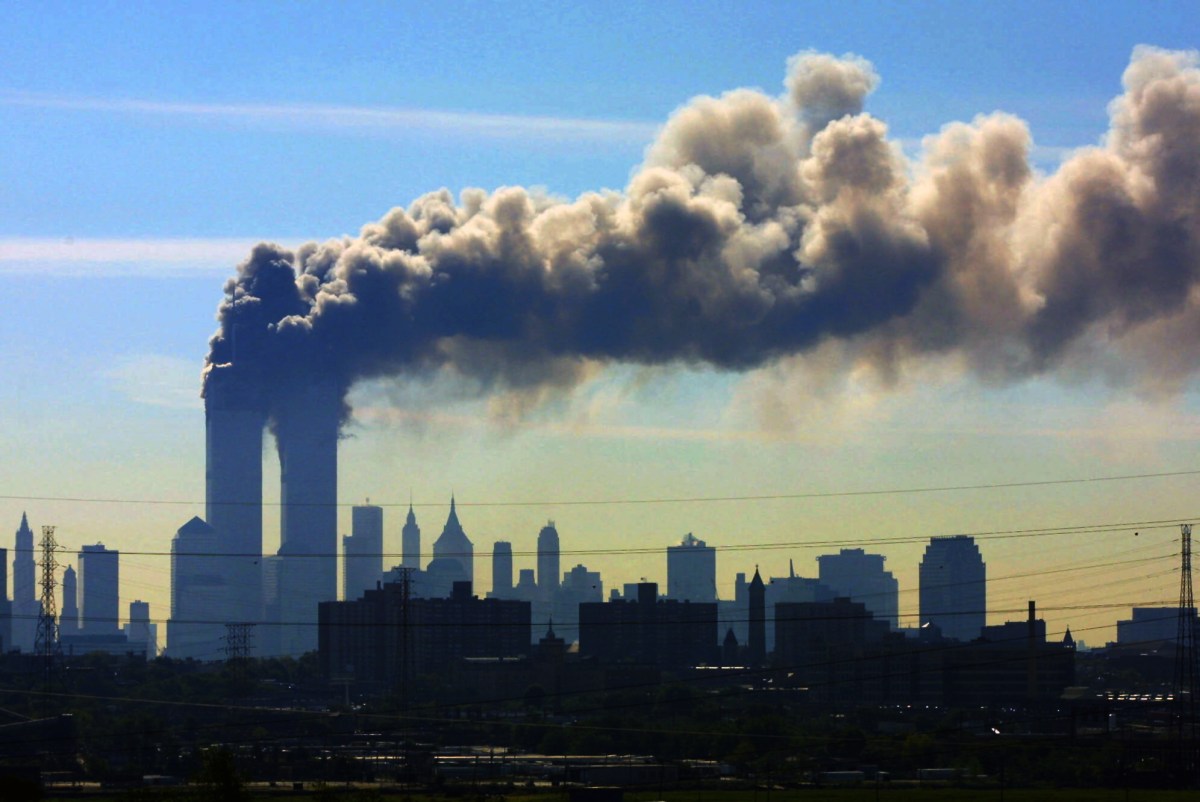
After the September 11, 2001, terrorist attacks 25 years ago, thousands are continuing to experience long-term health conditions that researchers believe could be tied to the environmental toxins they breathed in following the tragedy. The health consequences of the massive toxic dust cloud that blanketed lower Manhattan continue to unfold and researchers from the U.S. Centers for Disease Control and Prevention (CDC) noted in a review that many individuals exposed to the pollution have gone on to develop multiple conditions, including cancer, respiratory disease, gastroesophageal reflux disease, and mental disorders.
The review was published in the journal JAMA on September 10. They also said that a number of these health conditions can manifest years after exposure, "underscoring the importance of sustained clinical monitoring and research to address the evolving health needs of the 9/11 population." According to recently published data from the World Trade Center Health Program, more than 9,400 people have died from 9/11-related illnesses. During the 9/11 attacks, a total of 2,977 people were killed, including passengers on the plane, civilians and first responders.
This included 2,753 people in Manhattan, 184 people at the Pentagon and 40 passengers and crew members on United Airlines Flight 93, which crashed in a field in Shanksville, Pennsylvania. Data from the WTC Health Program also revealed that about 50,000 cancer diagnoses have been certified. Newsweek has contacted the CDC via email for comment.
The CDC team found that 25 years later, more than 154,000 responders and survivors enrolled in the WTC Health Program, which provides medical monitoring and treatment for 9/11-related health conditions at no out-of-pocket cost, as of June 2026. Enrollment to the program had increased by a median of more than 6,500 members annually since 2012. The researchers said that individuals directly exposed to the attacks have a greater prevalence of chronic conditions and poorer health-related quality of life compared with the general population.
They also experience increased disability, more complex clinical management, and higher health care utilization and cost. According to earlier CDC research, the dust cloud that formed after the towers collapsed contained a mixture of toxins known to be harmful to humans, including asbestos, lead, pulverized cement, glass fibers, benzene and others. The researchers said that the combustion of jet fuel and the collapse resulted in thousands of tons of particulate matter and volatile organic compounds polluting the air Much of the material remained at the site to form Ground Zero, a six-story pile of smoking rubble that burned intermittently for more than three months.
The International Agency for Research on Cancer has classified all forms of asbestos as carcinogenic to humans. Asbestos causes mesothelioma, which is a type of cancer that forms on the protective tissue that covers the lungs, and cancer of the lung, larynx and ovary. Meanwhile, lead exposure can affect multiple body systems and was attributed to more than 3.5 million deaths globally in 2023, primarily due to cardiovascular effects, according to the World Health Organization.
Extract — continue reading at the source.