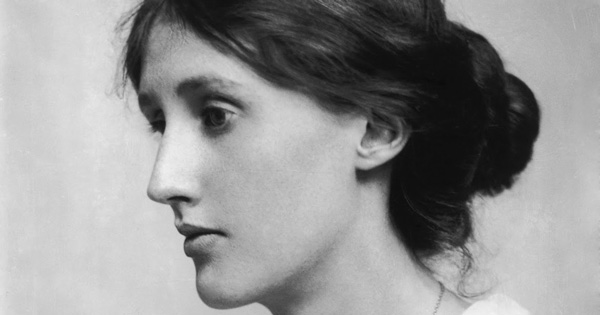
This other reality is always sending us hints, which without art, we can’t receive.” Pablo Neruda illuminated this notion from another angle in his magnificent metaphor for why we make art, but the questions of what compels artists to reach for that other reality and how they go about it remains one of the greatest perplexities of the human experience. No one has addressed this immutable mystery with more piercing insight than Virginia Woolf (January 25, 1882–March 28, 1941). In one of the most breathtaking passages ever written, found in her Moments of Being (public library) — the magnificent posthumous collection of Woolf’s only autobiographical writings — she considers what made her a writer and peers into the heart of the sensemaking mechanism we call art.
As a child then, my days, just as they do now, contained a large proportion of this cotton wool, this non-being. Week after week passed at St Ives and nothing made any dint upon me. Then, for no reason that I know about, there was a sudden violent shock; something happened so violently that I have remembered it all my life.
I will give a few instances. The first: I was fighting with Thoby [Woolf’s older brother] on the lawn. We were pommelling each other with our fists.
Just as I raised my fist to hit him, I felt: why hurt another person? I dropped my hand instantly, and stood there, and let him beat me. It was a feeling of hopeless sadness.
It was as if I became aware of something terrible; and of my own powerlessness. I slunk off alone, feeling horribly depressed. The second instance was also in the garden at St Ives.
I was looking at the flower bed by the front door; “That is the whole”, I said. I was looking at a plant with a spread of leaves; and it seemed suddenly plain that the flower itself was a part of the earth; that a ring enclosed what was the flower; and that was the real flower; part earth; part flower. It was a thought I put away as being likely to be very useful to me later.
Extract — continue reading at the source.



/https://tf-cmsv2-smithsonianmag-media.s3.amazonaws.com/filer_public/14/c4/14c43964-f878-4613-99bf-1c76046c3dca/15813162892_742f224e67_o.jpg)