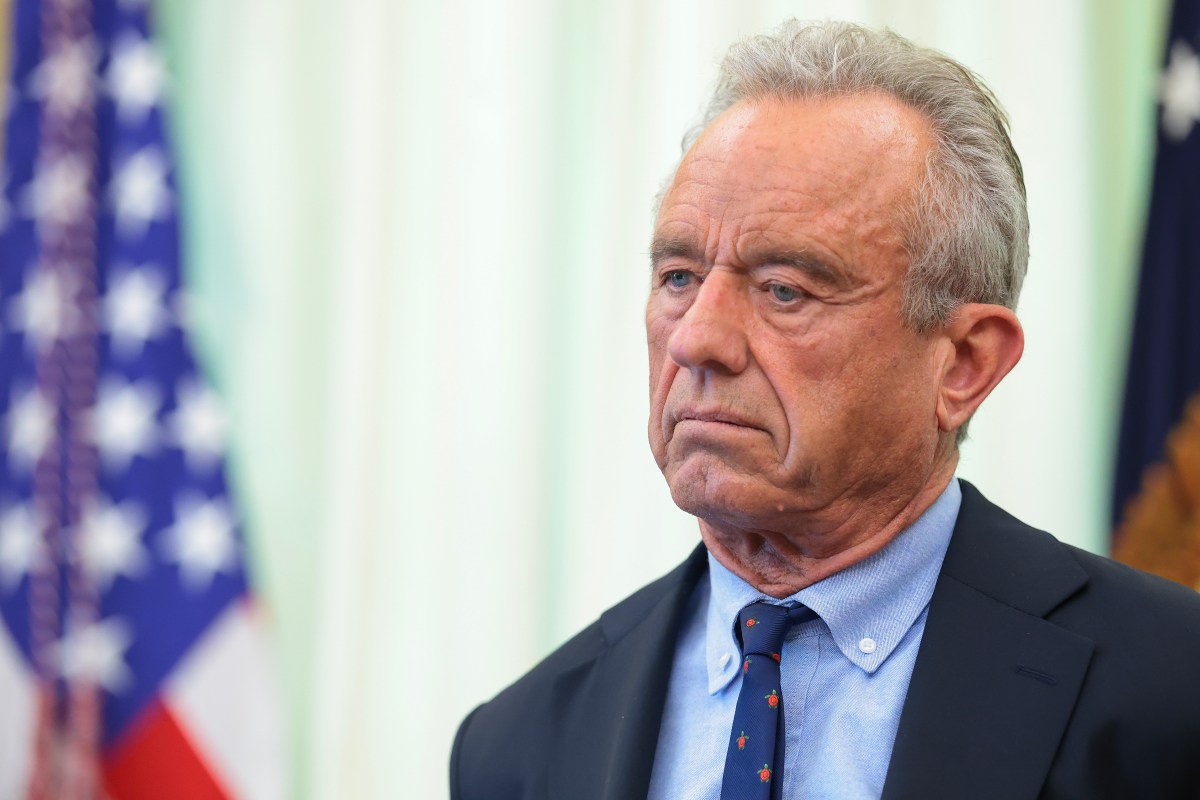
The World Health Organization (WHO) released new recommendations for fighting childhood obesity, and at least one puts its guidance slightly at odds with the solution Health and Human Services Secretary Robert F. Kennedy Jr. is proposing. Childhood obesity around the world has quadrupled since 1990.
The trend has coincided with increases in other diseases, raising concerns about adolescents' health. Kennedy has made combating childhood obesity a cornerstone of his time in the Trump administration, focusing mainly on what people put in their bodies. Among Kennedy's recommendations for combating childhood obesity is making sure kids get adequate protein.
"While previous Dietary Guidelines have demonized protein in favor of carbohydrates, these guidelines reflect gold standard science by prioritizing high-quality, nutrient-dense protein foods in every meal," HHS standards said. Kennedy is recommending 1.2–1.6 grams of protein per kilogram of body weight per day, but the WHO's guidance doesn't include specific protein recommendations and raises the possibility that increased protein could lead to weight gain. In its new guidance, the WHO wrote that the effect of a high-protein diet is "uncertain." The organization said that there’s “very low-quality evidence” that high protein intake may “slightly increase body weight, BMI, waist circumference and systolic blood pressure.” HHS press secretary Grace Davis told Newsweek that Kennedy's approach to dietary guidelines for Americans is "grounded in the best available science." Davis added that high-quality sources of protein, dairy and whole foods are the "center of a healthy diet." "Under Secretary Kennedy, HHS overhauled the Dietary Guidelines for Americans to prioritize nutrient-dense, whole foods and launched efforts to get kids active to support healthy growth and combat childhood obesity," Davis told Newsweek.
Kennedy has also emphasized eliminating food dyes from people’s diets in favor of natural alternatives and advocated for drinking whole milk, whereas the WHO guidance doesn’t mention food dyes or take a stance on milk. However, the two organizations' guidance shares many similarities. Both Kennedy and the WHO stressed the importance of ensuring kids get adequate meals at school while recognizing that low-income families may struggle to access nutritious food.
Both recommendations also promoted cutting out processed foods from children's diets. Luz María De Regil, Director of the Department of Nutrition and Food Safety at WHO, said in a statement. HHS and the WHO highlighted the importance of physical activity in combating childhood obesity and the need to curb screen time.
After the COVID-19 pandemic, screen time increased 52 percent to an average of 84 minutes per day for kids, according to a global study published in JAMA Pediatrics. An analysis of the 2016-2017 National Survey of Children’s Health, published in 2022, found that children who have two hours or more of screen time had 67 percent higher odds of being overweight or obese. Contact Newsweek editors on this story: Sam Wilson.
Extract — continue reading at the source.